
Solar Whiz Ventilation Guide
Complete guide to Solar Whiz solar roof ventilators — how they work, sizing, FAQ.
Product Specifications
| Model | Type | Airflow | Noise | Coverage | Warranty | |
|---|---|---|---|---|---|---|
| SW-AU-R-28 | Roof-mounted solar roof ventilator (residential) | 1700 m³/h | <45 dBA (measured at 1 metre) | 180 m² | PV panels 10 years; other components 2 years | Source |
| SW-AU-R-40 | Roof-mounted solar roof ventilator (residential, largest domestic unit) | 2300 m³/h | <60 dBA (measured at 1 metre) | 250 m² | PV panels 10 years; other components 2 years | Source |
| SW-AU-C-155 | Roof-mounted solar roof ventilator (commercial / industrial) | 10000 m³/h | <73 dBA | — | 10-year warranty on PV panels and 2 years warranty on other components. An optional extended warranty is also available. | Source |
| SW-AU-W-28 | Wall/gable mounted solar fan (also used for sub floor ventilation) | 2000 m³/h | — | — | — | Source |
| SW-AU-W-40 | Wall/gable mounted solar fan (also used for sub floor ventilation) | 2500 m³/h | — | — | — | Source |
| SW-AU-W-L-28 | Wall mounted with louvre | 2000 m³/h | — | — | — | Source |
Videos
Shop Solar Whiz Products

Solar Whiz Kits
$1,375.00
Subfloor solar fan
$1,399.99
Frequently Asked Questions
What size Solar Whiz do I need?
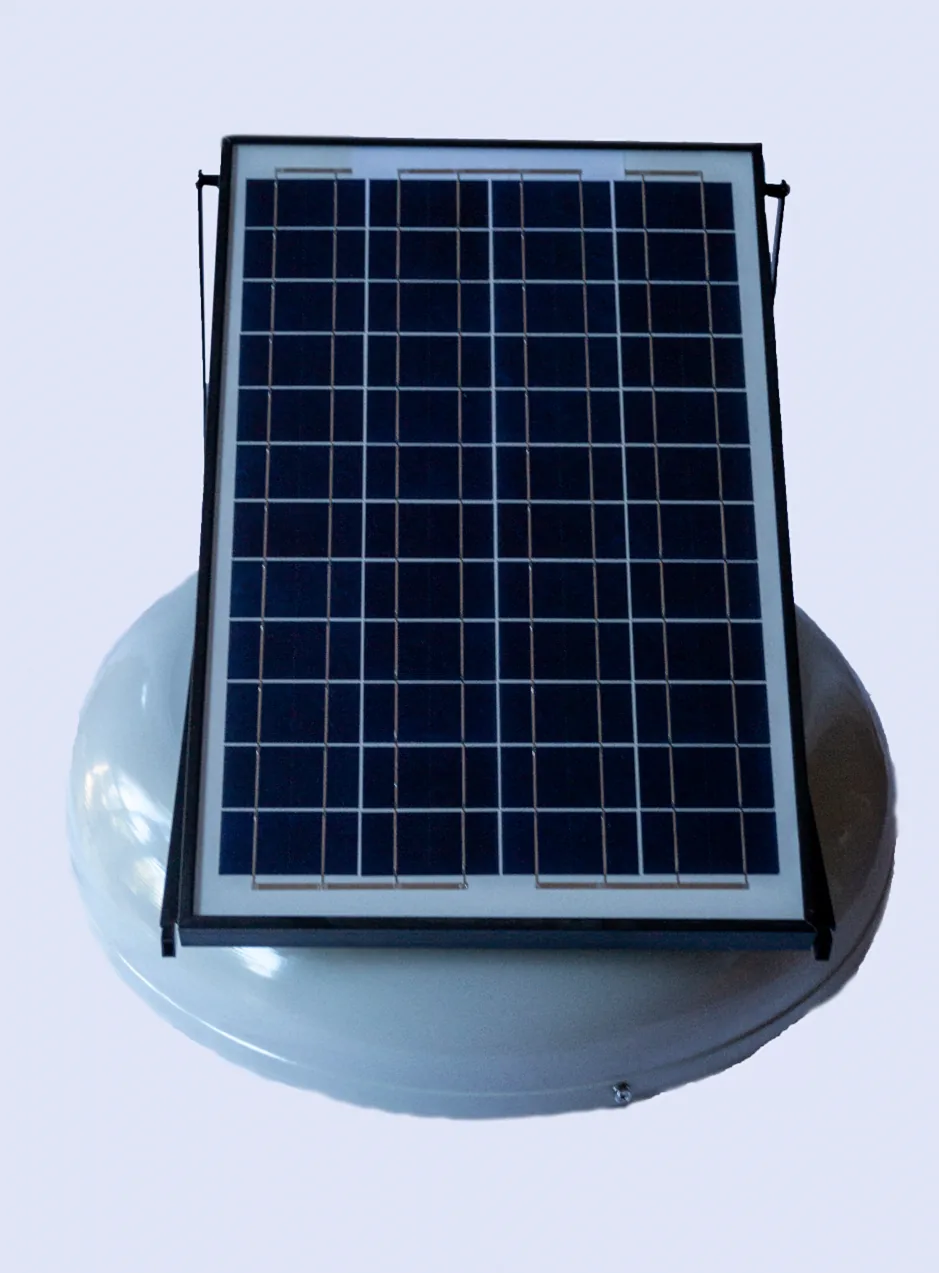
Solar Whiz unit has a recommendation on what size homes they ventilate best. The recommendations for ventilating standard pitched homes are as follows and are based on our experience in the Australian roof ventilation market since 2010: 1. The SW-AU-R-28 - Suitable for spaces up to 180m2. 2. The SW-AU-R-40 - Suitable for spaces up and above 250m2. Many of our competitors recommend less capacity. Theoretically, these lower airflow capacity requirements are correct but don't actually result in the desired outcome - because of severe restrictions for the necessary replacement air. At GES we also carry out our own testing, whilst it appears that our competitors rely on the manufacturer's specifications.
How many litres per second can a RAF unit move?
SW-AU-R-28: 1700 m3/h / 472.22 L/s. SW-AU-R-40: 2300 m3/h / 638.89 L/s. SW-AU-C-155: 10000 m3/h / 2777.78 L/s.
How many Whirlybirds is each Solar Whiz unit equivalent to?
The different Solar Whiz roof ventilation fan units are capable of moving 10-30 times the amount of air that a Whirlybird moves. The SW-AU-R-28, which extracts 1,700m3/h. Capable of moving between 10 to 15 whirlybirds worth of air. The SW-AU-R-40, which extracts 2,300m3/h. Capable of moving between 20 to 30 whirlybirds worth of air. This all depends on the type of Whirlybird, as well. An average Whirlybird moves around 100m3/h, and all our measurements and quotes derive from this measurement.
Can you over-ventilate your roof space?
The short answer is no - you can't over-ventilate your roof space. The long answer is that there's no limit to how much airflow you can have in your roof space. Provided you have enough roof ventilation airflow, you'll be continuously replacing the warm air in your roof space, flushing it out with cool replacement air. You can definitely under-ventilate, however, we will advise you of the best possible solution to get you the results you need.
What is the difference between an intake and exhaust vent?
Air intakes are typically eave vents or other openings under the eaves or even unsealed openings for metal roofing. Air intakes introduce air into the roof space. Exhaust vents include all forms of roof-based ventilators that are typically installed on the upper third of a roof. Examples include whirlybirds, Solar Whiz ventilators, or ridge cap vents. Exhaust vents expel air from the roof space.
Why is passive ventilation not enough?
Passive ventilation relies on unpredictable natural processes like wind and heat convection. As a result, passive ventilation works when the conditions are right and not necessarily when you need it to. For example, a whirlybird will: Run a cold, wet and windy winter day or night when you would rather have the heat trapped inside your house. And there's nothing you can do to stop it. Not run on a still, hot summer day or night when the built-up heat in your roof space needs to be extracted. Furthermore, passive ventilation is nowhere near powerful enough to achieve the appropriate amount of ventilation you need. An average whirlybird unit is capable of ventilating around 100-150 m3/h in 12 km/h winds. A small roof space usually needs 700 m3/h of air movement to have a noticeable effect.
Do Solar Whiz ventilators still work in the rain?
Our Solar Whiz roof ventilators are supplied with high-quality solar PV panels that still supply power even in low-light conditions. Low-light conditions will reduce the capacity at which the Solar Whiz unit can ventilate. However, even if it was running at half capacity, the Solar Whiz is still ventilating more than a standard whirlybird. Using our Night Operations Kit with your Solar Whiz installation bypasses low-light conditions by topping up electricity from mains power to ensure 100% efficiency all day, every day.
Why are eave vents important?
Eave vents are important because they provide the coolest replacement air. Replacement air is dragged in by the Solar Whiz unit to replace the hot air that is being extracted. This is an important principle for flushing out trapped air responsible for 25% to 35% of the heat in your home. Without eave vents or other forms of air intake, a roof ventilator unit will struggle to extract air. It would be trying to pull air out of a vacuum. Please note: galvanised eave vents are not suitable for installation in coastal or other highly corrosive environments. In these cases you will need to source replacement air from somewhere else.
Why are ceiling vents important?
Ceiling vents are interior vents that go into the ceiling of a room and connect directly to the above roof space. They are ideal for double-story homes where the heat can accumulate in second-story rooms as well as in roof space. Heat naturally rises and can radiate outwards in confined spaces. A ceiling vent allows a roof-mounted Solar Whiz to pull fresh air through the home, and flush the heat out of your second story AND roof space.
How noisy is the fan of the Solar Whiz ventilators?
The Solar Whiz units all operate below 60 decibels at one metre. The measurements for each roof ventilator are as follows: SW-AU-R-28 - <45 Decibels (dBA). SW-AU-R-40 - <60 Decibels (dBA). These measurements are taken from one metre away. In reality, your unit will be located on your roof; far more than one metre away and likely separated by walls and ceiling!
What are the Solar Whiz gable units for?
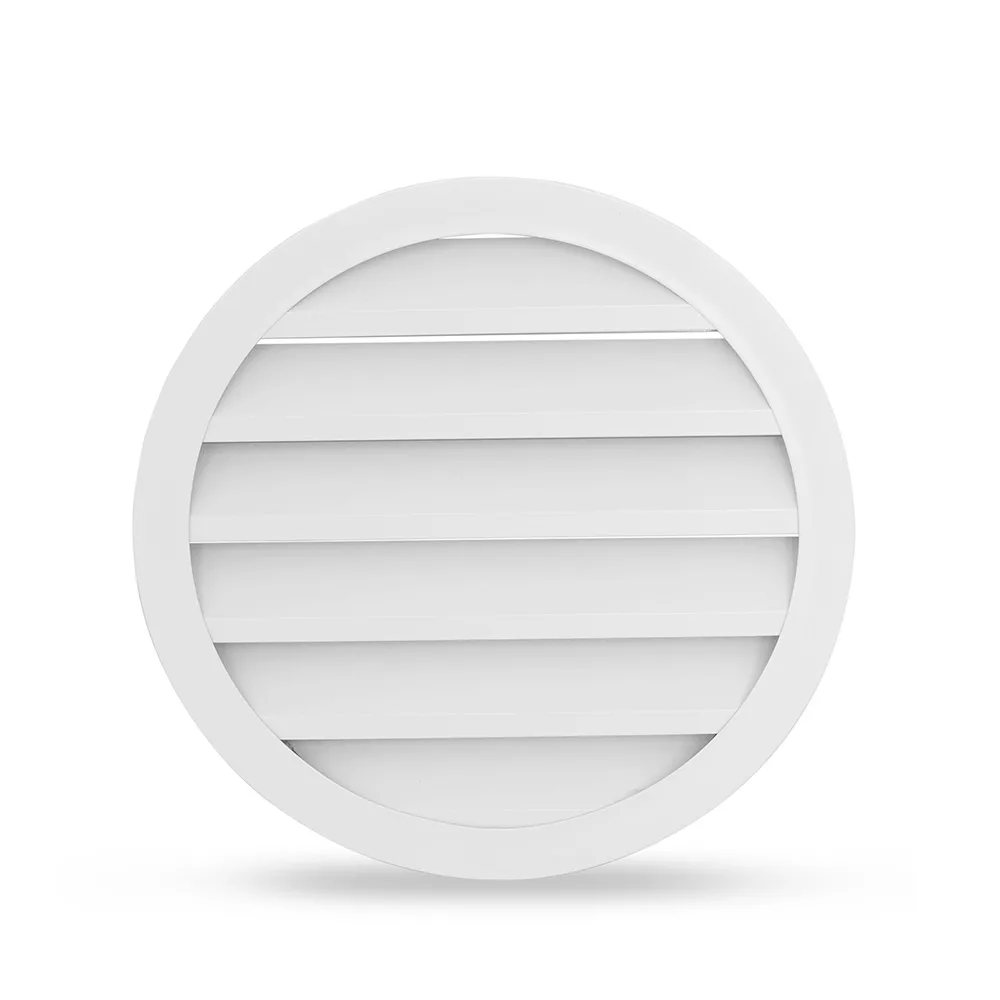
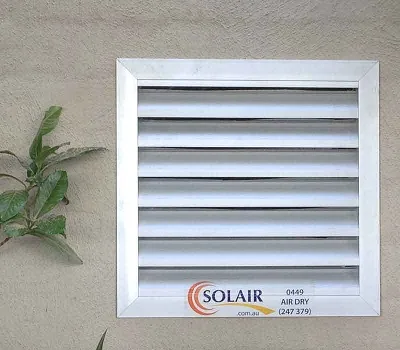
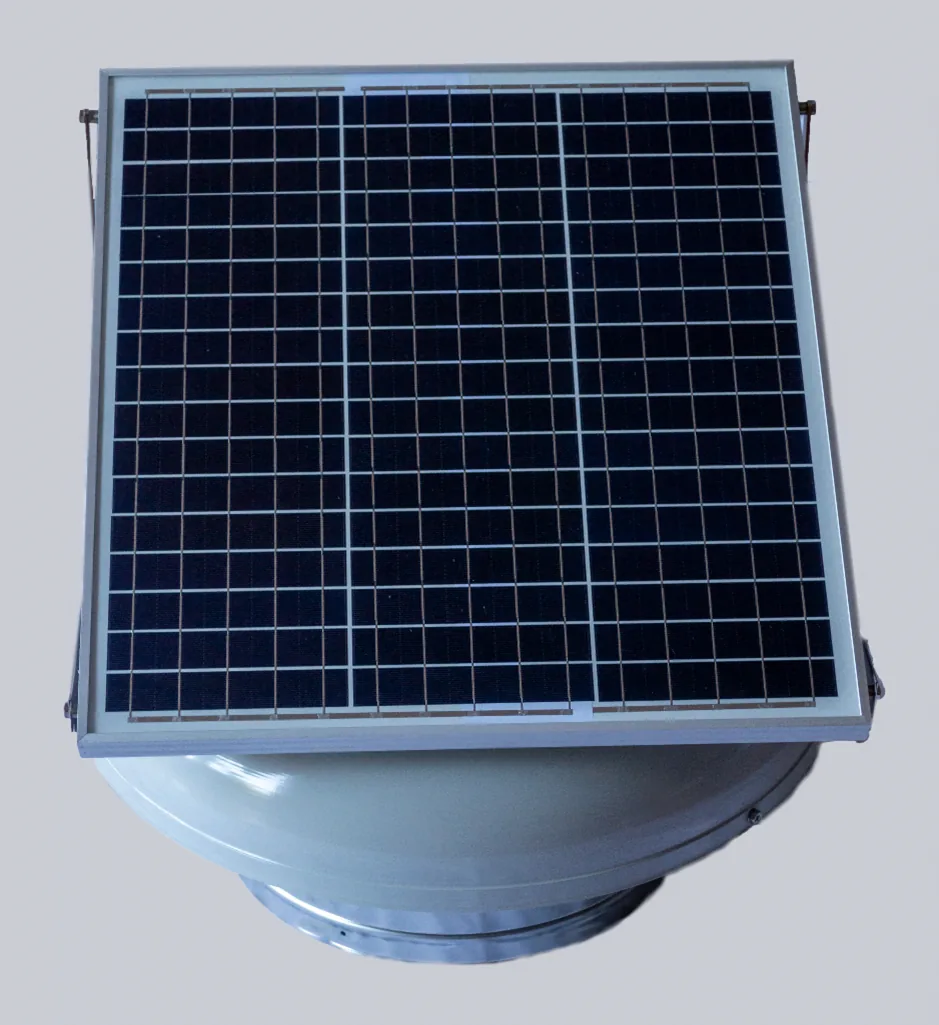
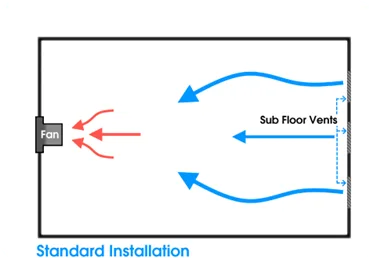
The Solar Whiz Gable units are ideal for homes with pitched roofs that are too steep to conventionally install a Solar Whiz, or if a customer wishes a minimalist look for their roof. We also offer a range of louvre-mounted fans. SW-AU-W-28 - Airflow capacity of 2,000m3/h. SW-AU-W-40 - Airflow capacity of 2,500m3/h. SW-RAF-G-2100 - Airflow capacity of 2,100m3/h. Alternatively, the gable units make for powerful sub-floor ventilation fans.
Can the Solar Whiz ventilators be used at night?
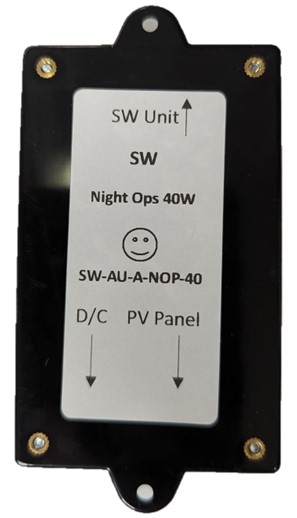
Solar Whiz ventilators can be paired with a Night Operations Kit. This system (also referred to as a constant current module or simply, NOPs) uses mains power to top up the remaining power needed to run a unit at full power. In low levels of sunlight the NOP system will only draw the energy needed to keep your unit operating at full capacity. Once the sun has set the NOP can power the unit completely, using minimal energy. It's highly unlikely that it would require more than 24 watts. NOPs run from a 24-volt power supply connected to a power point in your roof space. This can be installed with the help of an electrician.
Does the Solar Whiz turn off in winter? Can I install a thermostat?
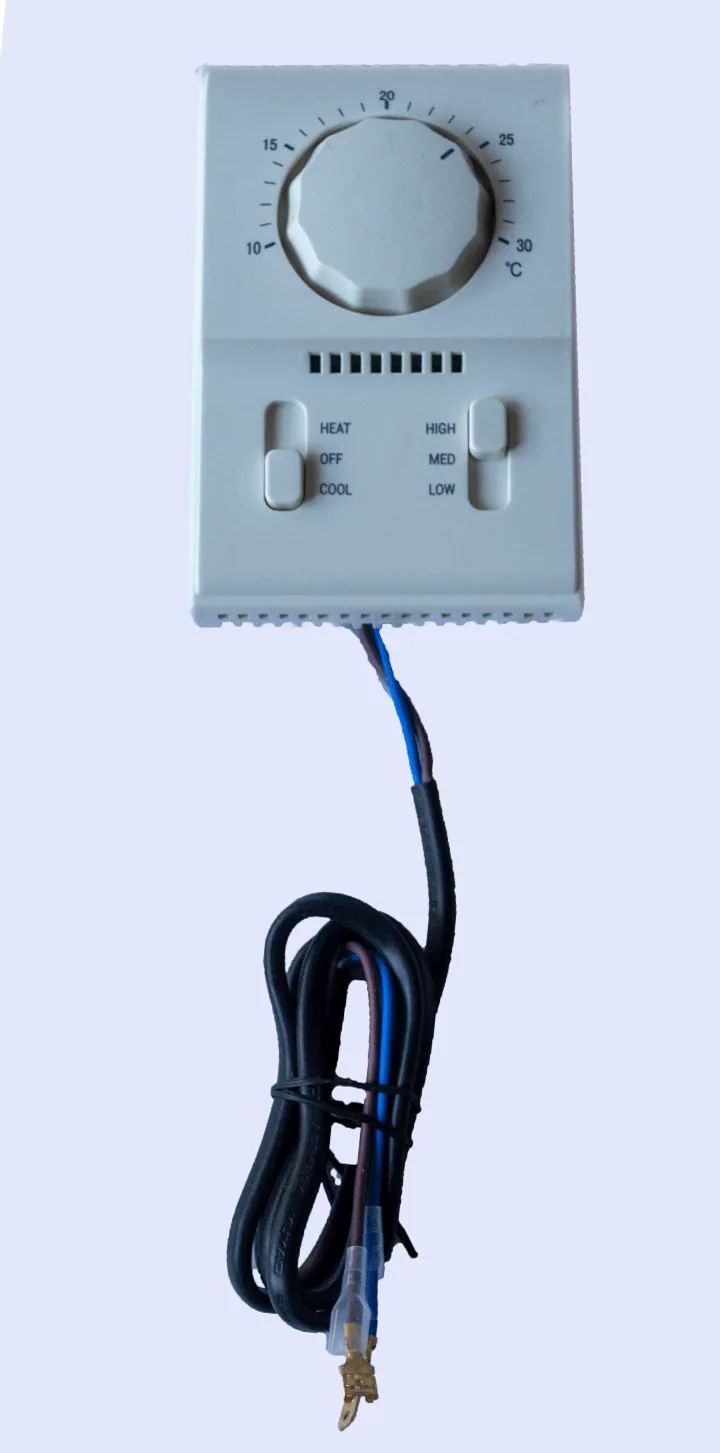
The Solar Whiz runs whenever there is active sunlight reaching the solar panel. This means that yes, the Solar Whiz will run in winter. Solar Whiz offers both a Fixed Temperature Thermostat, and an Adjustable Temperature Thermostat. The Fixed Temperature Thermostat will prevent a unit from operating unless it is 30C degrees or more inside the space where the thermostat is installed. The Adjustable Temperature Thermostat allows the user to set the temperature at which the unit runs.
How do I prevent heat from escaping throughout winter, even after installing a thermostat?
The percentage of heat that is lost through the ventilator itself is very minimal. You are far more likely to have heat radiate out through your metal, or tiled roof if it's uninsulated. Your best solution is to make sure you have good insulation in your home. While the thermostats ensure that the unit runs only when you need it to, Solar Whiz ceiling vents are designed to be able to close. They have internal butterfly-style flaps that can be made to shut. If you still have concerns about heat escaping through the Solar Whiz unit itself, there are some DIY solutions. Cutting out a piece of foam that can be manually inserted into the throat of the unit to prevent heat from escaping through the ventilator is an option.
How difficult is it to install a Solar Whiz?
Solar Whiz units are DIY-friendly and can usually be installed by any competent handyman with the right tools. We strongly recommend that one of our authorised installers handle the installation for you. This will make sure that you get the best possible results according to our installation principles. However, we are happy to assist you with advice should you decide to do it yourself.
How does roof line design affect a ventilation system?
Every home is different, but Solar Whiz has taken strides to offer accessories that cater to different styles or pitches of roofing. For steep roofs, we use gable fans so that units don't have to be installed at a steep angle. This makes the installation much easier and removes the risk of water ingress. For cathedral-style roofing, we offer extension collars for the units. This ensures that the units are installed without protruding into the ceiling space. For flat or lower pitch roofing, we recommend installing more eave vents to maximise air replacement and evenly distribute airflow.
What if I have a cathedral ceiling or flat roof?
If you're looking to use Solar Whiz to ventilate your home rather than your roof space, we can help. For limited roof space access, we install butterfly-style vents that can be open and closed as needed.
How are the gable fans installed?
Instead of installing a unit on the roof itself, gable fans are installed vertically at the top of the wall that connects to your roof space. This allows for direct replacement air crossflow and maximises ventilation results. Gable units are used in situations where the roof slope might be too steep or a customer prefers the aesthetic appearance of a gable fan.
Can I install Solar Whiz ventilators on my shed/workshop etc.?
Solar Whiz can be installed in all kinds of small spaces, such as: Granny flats, Studio flats, Garages, Workshops, Trailers, Cabins, Sheds. These small-yet-powerful units are perfect for tin or metal sheds that can accumulate large amounts of heat very quickly in the summer.
What are your product warranties?
A Solar Whiz warranty offers a substantial timeframe to cover our products & components. Warranties for our products is as follows: Solar Whiz PV Panels - 10 year warranty. Solar Whiz Components - 2 year warranty.